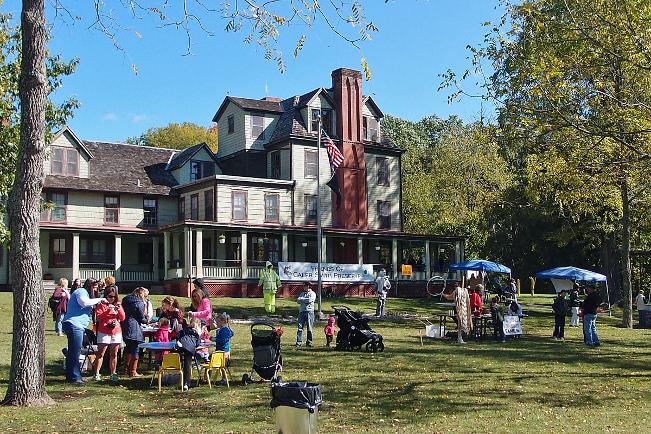
Join members of the Friends of Caleb
Smith Preserve for a “Meet and Greet” on Saturday, October 5 at the park from
10 a.m. to noon. There will be light refreshments, and pumpkins will be
available. Members will mingle with visitors, answering questions about the
56-year-old State Park/Preserve, a vast 500-acre Nissequogue River watershed
that was once a part of the much larger personal domain of Richard Smythe who
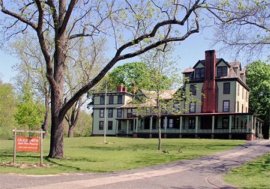
founded Smithtown in 1665. Why is it called Caleb Smith? How old is the house, which
now includes a Nature Museum with interactive exhibits? Come and find out, and
enjoy a beautiful day. Caleb Smith State Park Preserve is located on Jericho
Turnpike (Route 25) west of Smithtown’s downtown. For further park information
call (631) 265-1054.
Photography Contest: “The Beauty of Caleb Smith State Park Preserve”
Sponsored by: The Friends of Caleb Smith Preserve
Two Divisions: ADULT: Ages 18 and older (or out of High School)
YOUTH: Ages 8 to 18 (or still in High School)
Digital Photographs to be taken in the Preserve between August 1, 2019 and January 31, 2020
Cash Prizes will be awarded for First, Second and Third place photos in each division
Winning photographs, along with “honorable mentions” will be printed and displayed, and a
reception will be held, in the park museum, during March 2020, to honor the winners and finalists
Official Contest Rules and Entry Forms will be available in the park office, or may be requested by
emailing calebsmithfriends@gmail.com
Scroll down to see past events held at Caleb Smith State Park Preserve hosted by the Friends of Caleb Smith Preserve
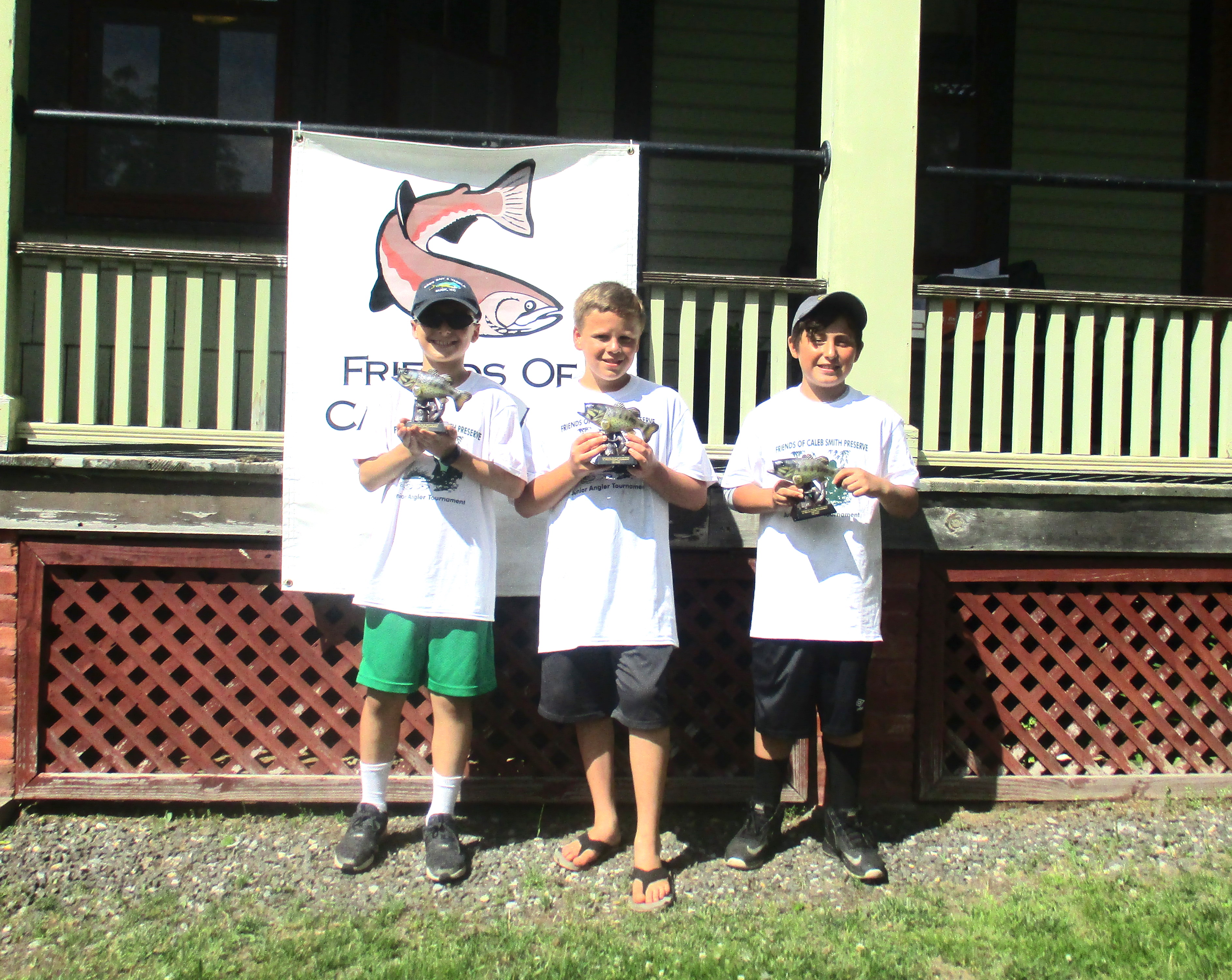
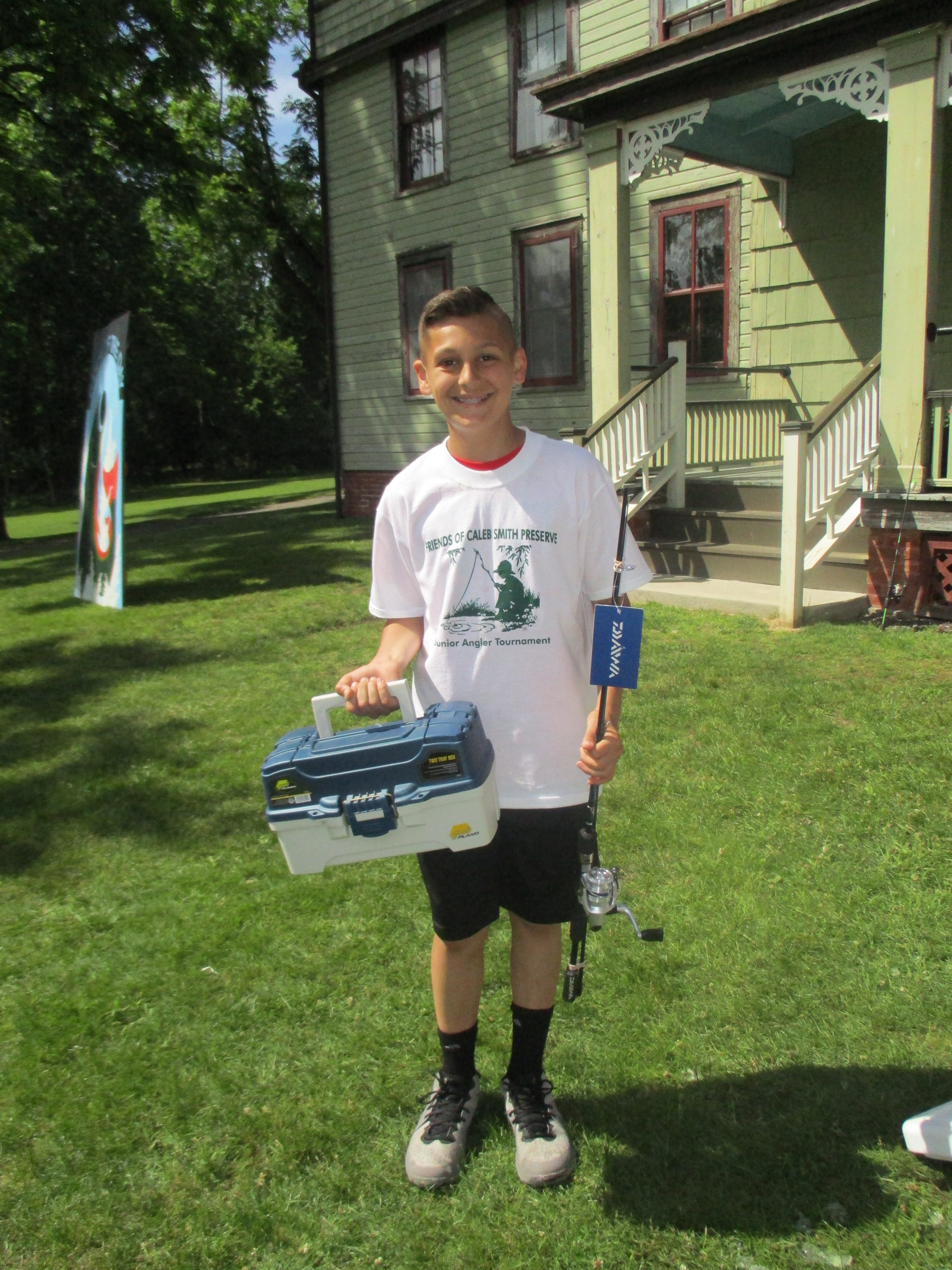
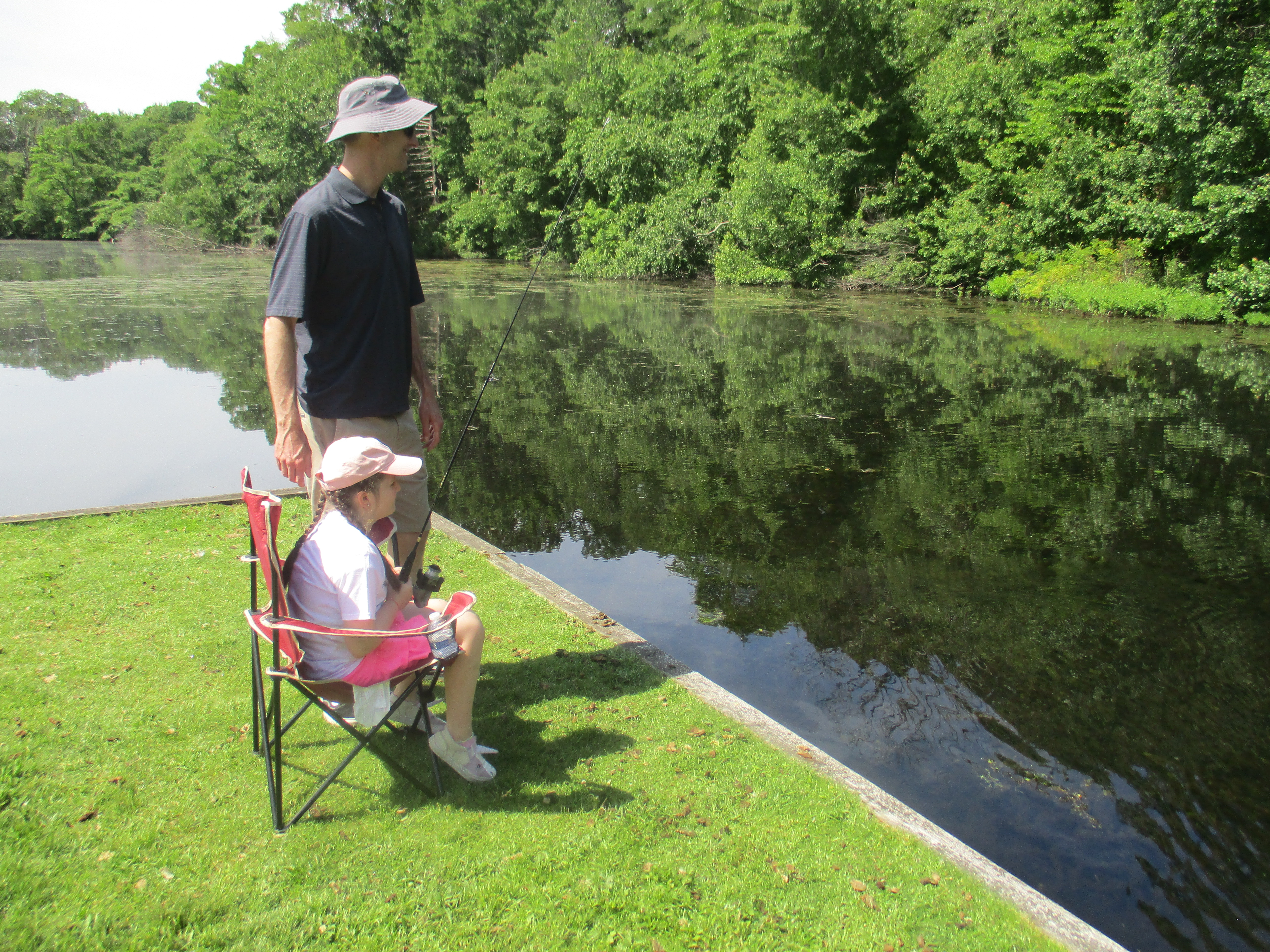
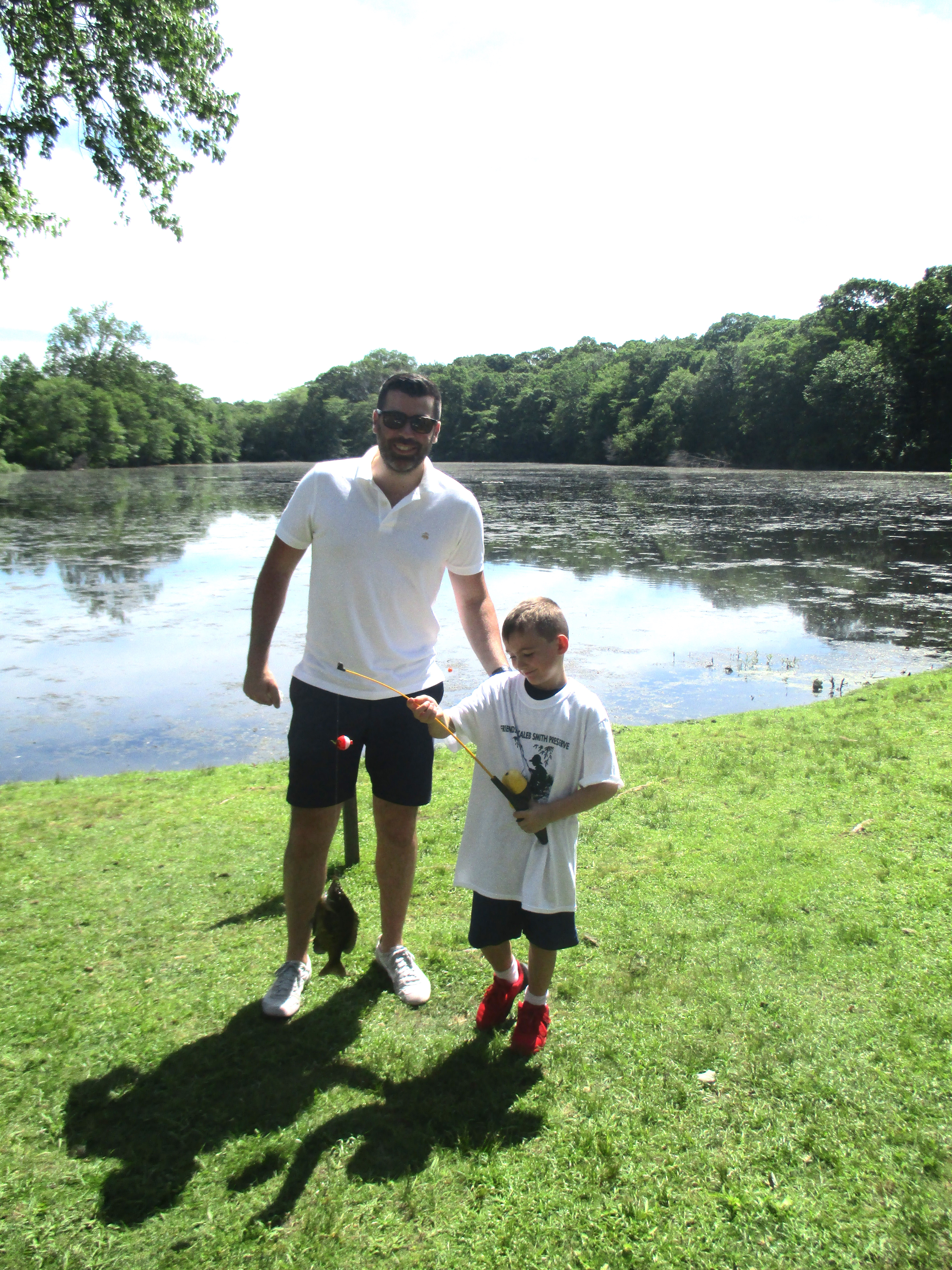
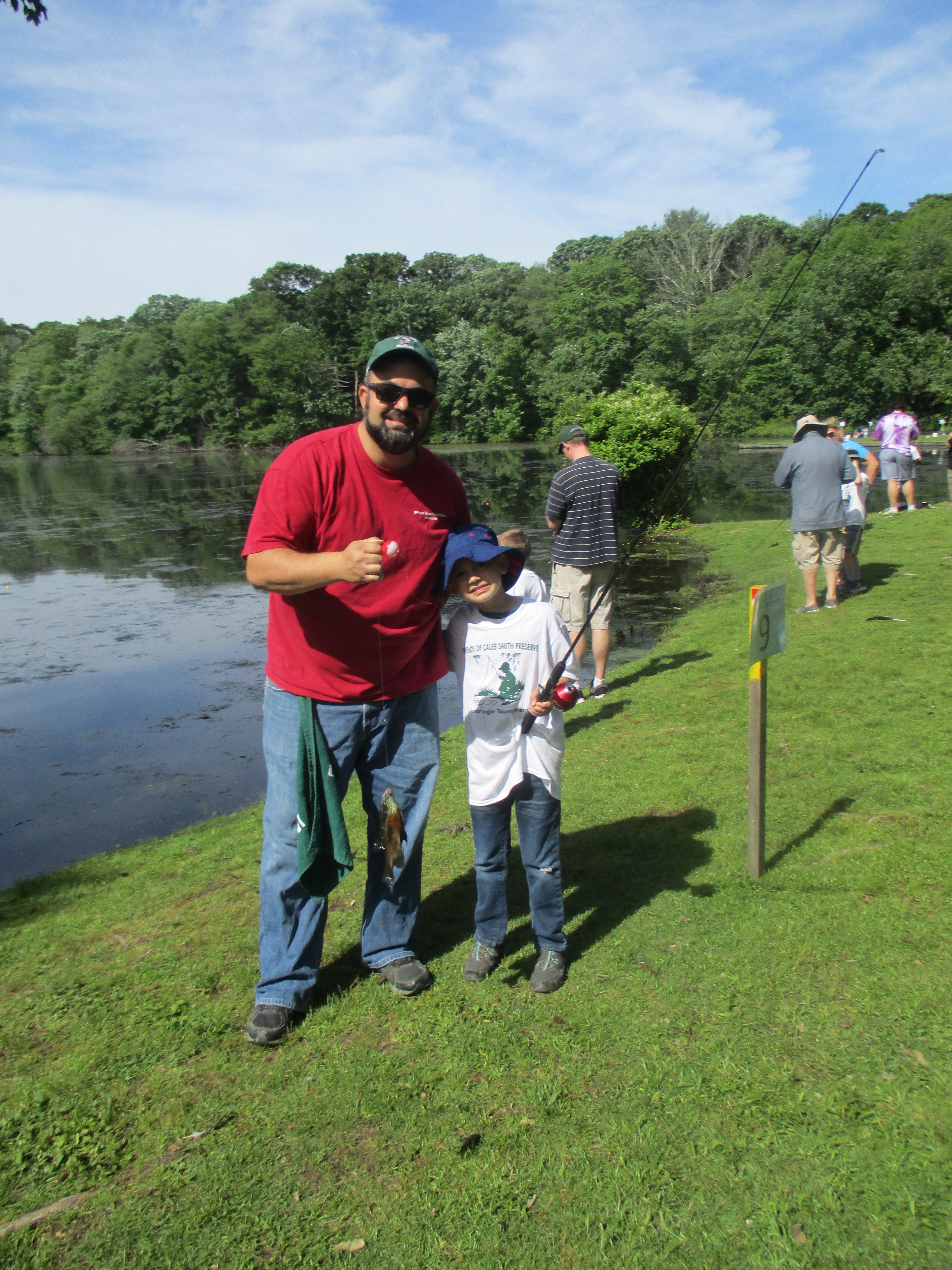
2019 Junior Anglers at Caleb Smith Tournament Win Awards
Click on photos to enlarge.
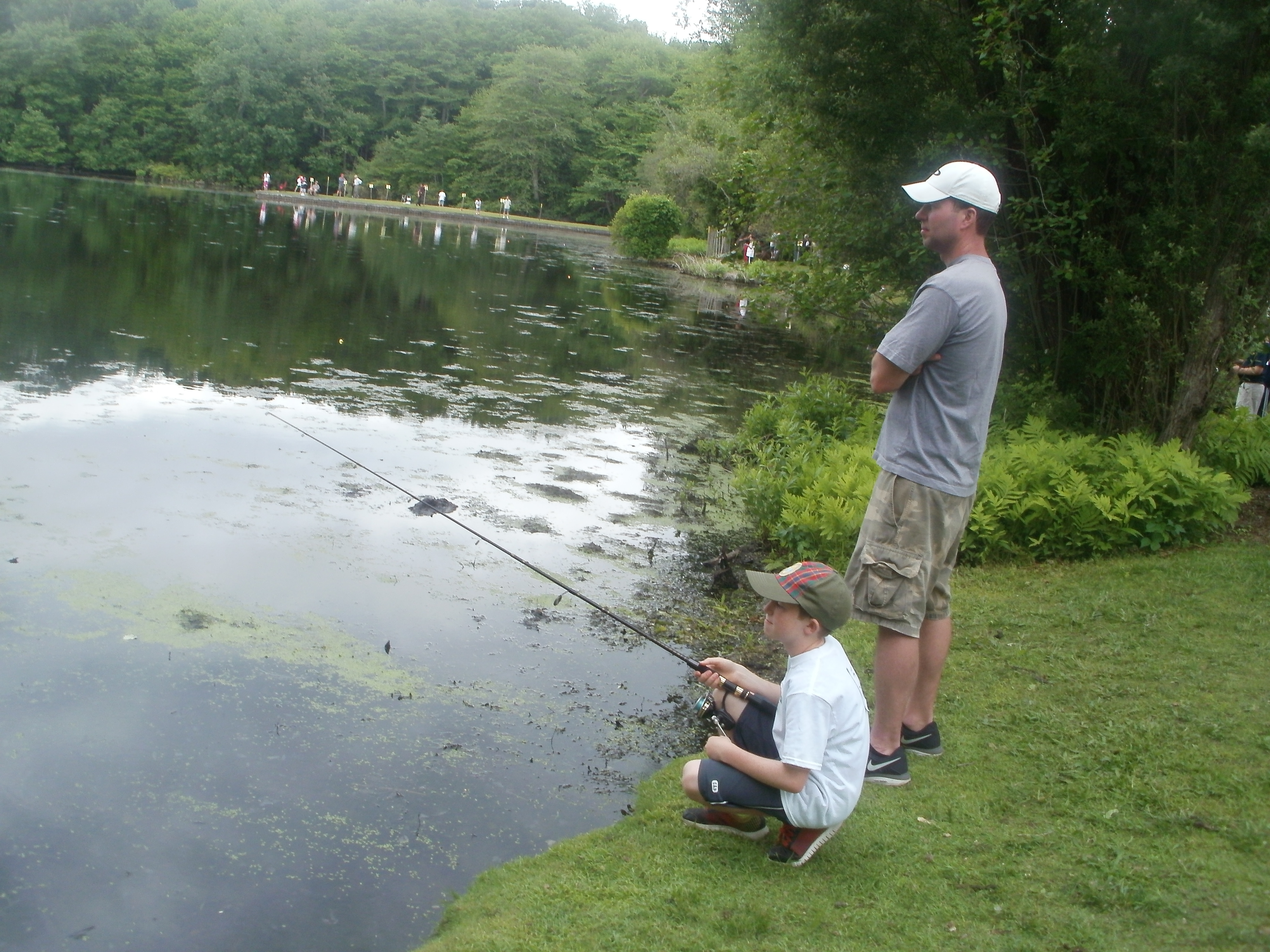
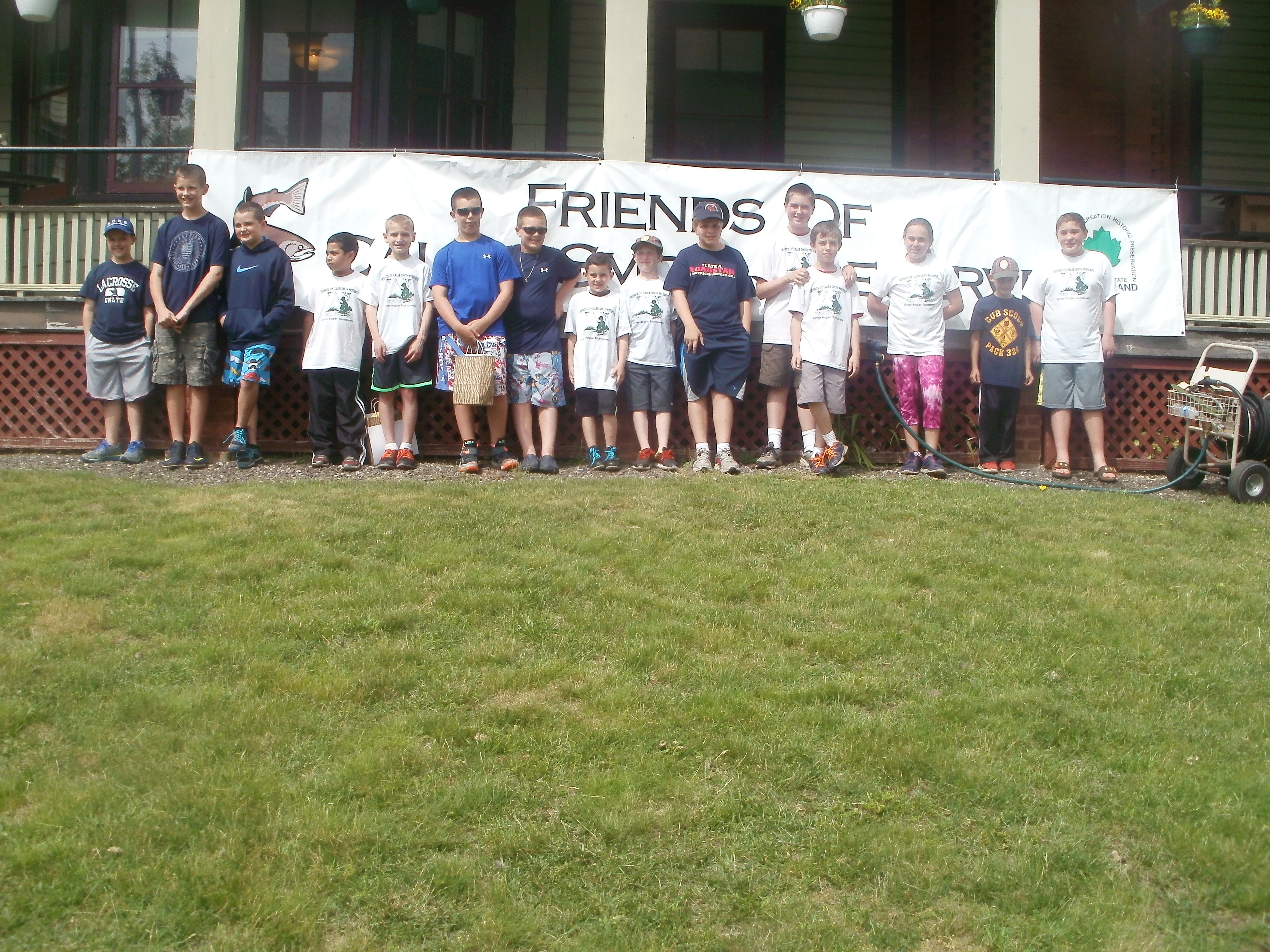
On one of the nicest days of spring, the sun shone on 42 young anglers and their families at Willow Pond in Caleb Smith State Park Preserve at the recent Friends of Caleb Smith Preserve’s catch-and-release 16th annual Junior Fishing Tournament. More than 300 fish, including a 14-1/2 inch trout, were caught by anglers ranging in age from 5 to 12.
Winners of the morning session, for those ages 5 to 8, were: Frankie Marcotrigiano, 5, of Brentwood, for the most fish caught: 13; Tristen Hennon, 8, of St. James, caught the largest pan fish: 9-1/2 inches; Dylan Haase, 5-1/2, of Smithtown, caught the largest “other” fish: a 14-1/2-nch trout.
Winners in the afternoon session, for anglers ages 9 through 12, were: Justo Reyes, 11, of Levittown, for the most fish caught: 38; Chase Patrie, 11, of Setauket, caught the largest pan fish: 9-1/2 inches; and Devon Gallo, 10, of Manhattan, caught the largest “other” fish: a 15-1/2-inch bass.
Another highlight of the event was the Second Annual Tom Troccoli Memorial Lottery, involving the 17 registrants in the afternoon session. The winner received a fishing rod and tackle. The drawing was held in the name of the late Tom Troccoli, of Smithtown, who enjoyed fishing and had accompanied his grandson at two junior angler tournaments. The Troccoli family donated funds for the memorial lottery, which will be continued for many years.
The late Mr. Troccoli’s grandson Joseph Troccoli, 9, of Smithtown, drew the name of angler Jack DiBenedetto, 12, of Smithtown, as the winner of the Troccoli Memorial award.
Friends of Caleb Smith Preserve
2018 Annual Junior Angler Fishing Tournament
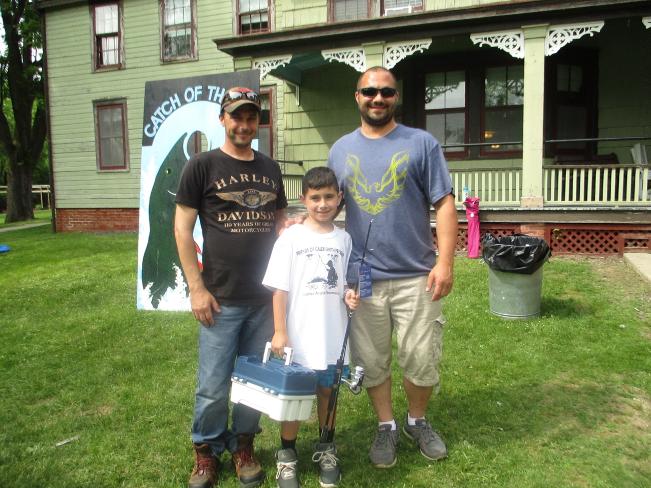
Winner of TomTroccoli Memorial lottery: Anthony Giambone with the late Tom Troccoli’s sons Dave [left] and Chris.
Fifty-one young anglers and their families enjoyed the serenity and beauty of Willow Pond at Caleb Smith State Park Preserve at the recent Friends of Caleb Smith Preserve’s catch-and-release 16th annual Junior Fishing Tournament. Nearly three hundred fish, including a 16-inch trout, were caught by anglers ranging in age from five to twelve.
Winners of the morning session, for those ages five to eight, were: Ryan Green of Brentwood for the most fish caught: 17; Shelby Lloyd of Smithtown caught the largest pan fish: 10-1/4 inches; Ayden Zebrowski of Northport caught the largest “other” fish: a 14-1/2” trout.
Winners in the afternoon session, for anglers ages nine through twelve, were: Anthony DiBenedetto of St. James, for the most fish caught: 22; Jack DiBenedetto of St. James caught the largest pan fish: 9-3/4 inches; and Matthew Bonnell of Smithtown caught the largest “other” fish: a 16-inch trout.
Another highlight of the event was the Tom Troccoli Memorial Lottery, involving the twenty-six registrants in the afternoon session. The winner received a fishing rod and tackle. The drawing was held in the name of the late Tom Troccoli of Smithtown, who enjoyed fishing and had accompanied his grandson Joseph at two junior angler tournaments. The Troccoli family donated funds for the memorial lottery, which will be continued for many years.
The late Mr. Troccoli’s sons, Christopher and David, drew the name of angler Anthony Giambone of Centereach, as the first winner of the Troccoli Memorial award.
“Fishing was my father’s favorite hobby,” said Christopher Troccoli. “He especially loved teaching his grandsons. He started by teaching them to cast in his swimming pool. They got a real kick out of that. When we were young he would often take my brother and me fishing at Caleb Smith or Blydenburgh Parks.” Chris Troccoli’s two sons, Joseph and Vincent, participated in the morning fishing session.
Tom Tokosh, chairman of the tournament, said he wished to thank Carmine Petrone, Huntington manager of Campsite Sports’ fishing department, who donated fishing poles for a raffle for the younger group of anglers; and The Fisherman magazine, which donated worms and tackle for the event.
Friends of Caleb Smith Preserve 2017 Fall Festival
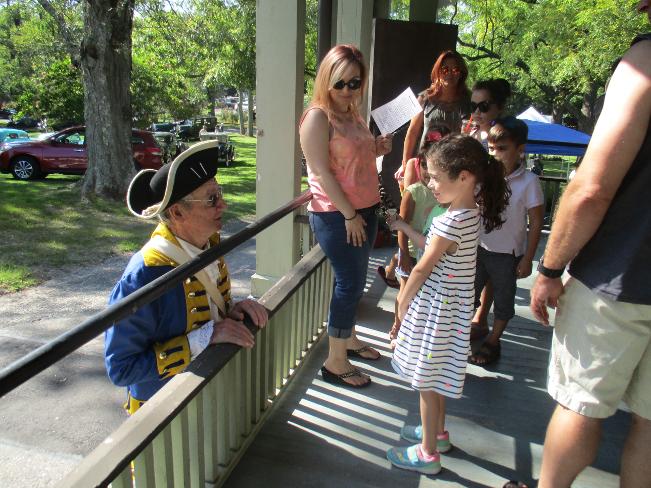
George Washington speaks with a youngster waiting on the face-painting line.
Despite 90-degree temperatures, nearly one thousand visitors of all ages spent the day at the Friends of Caleb Smith Preserve’s Fourth Annual Fall Festival on Sunday, September 24.
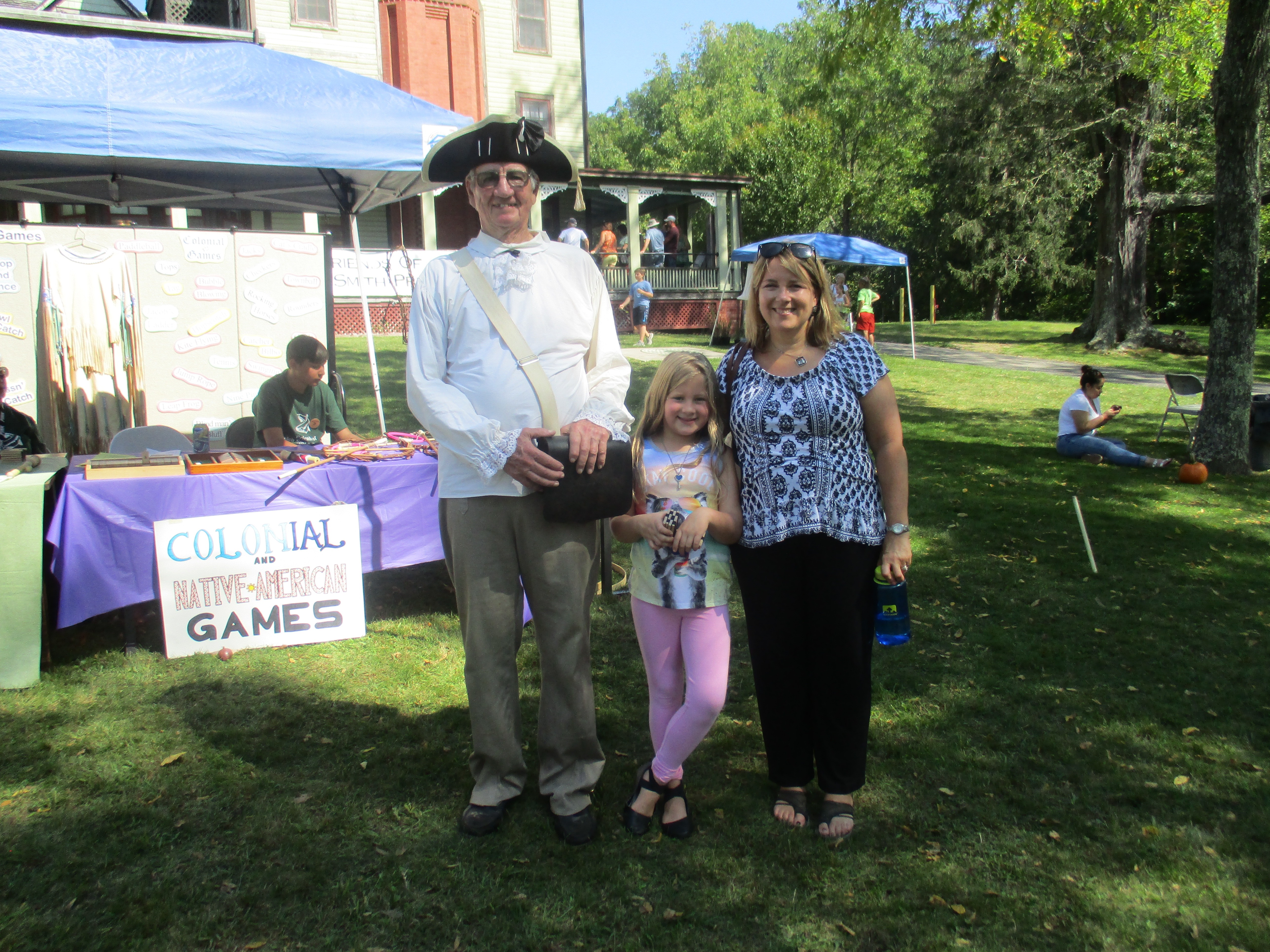
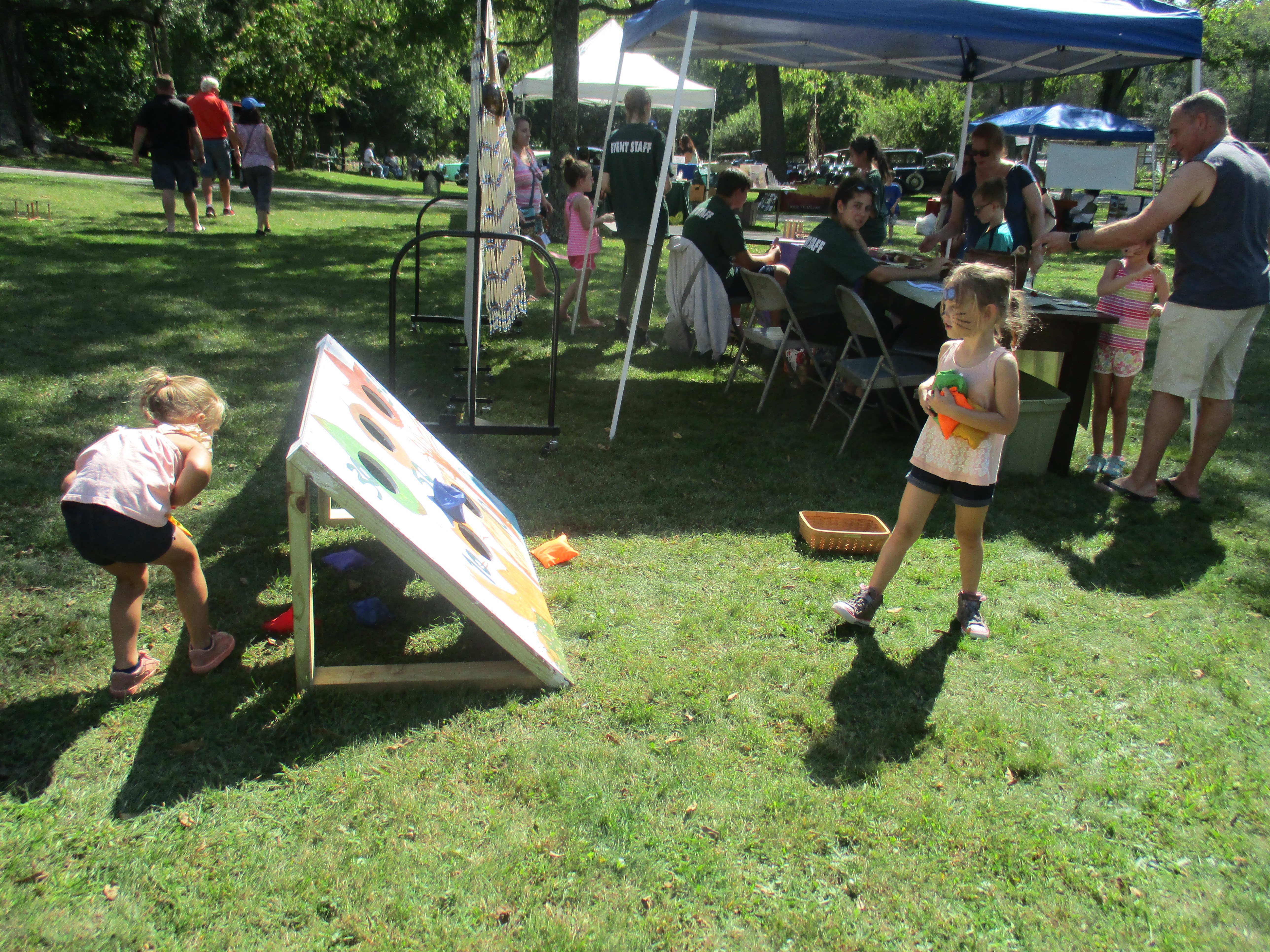
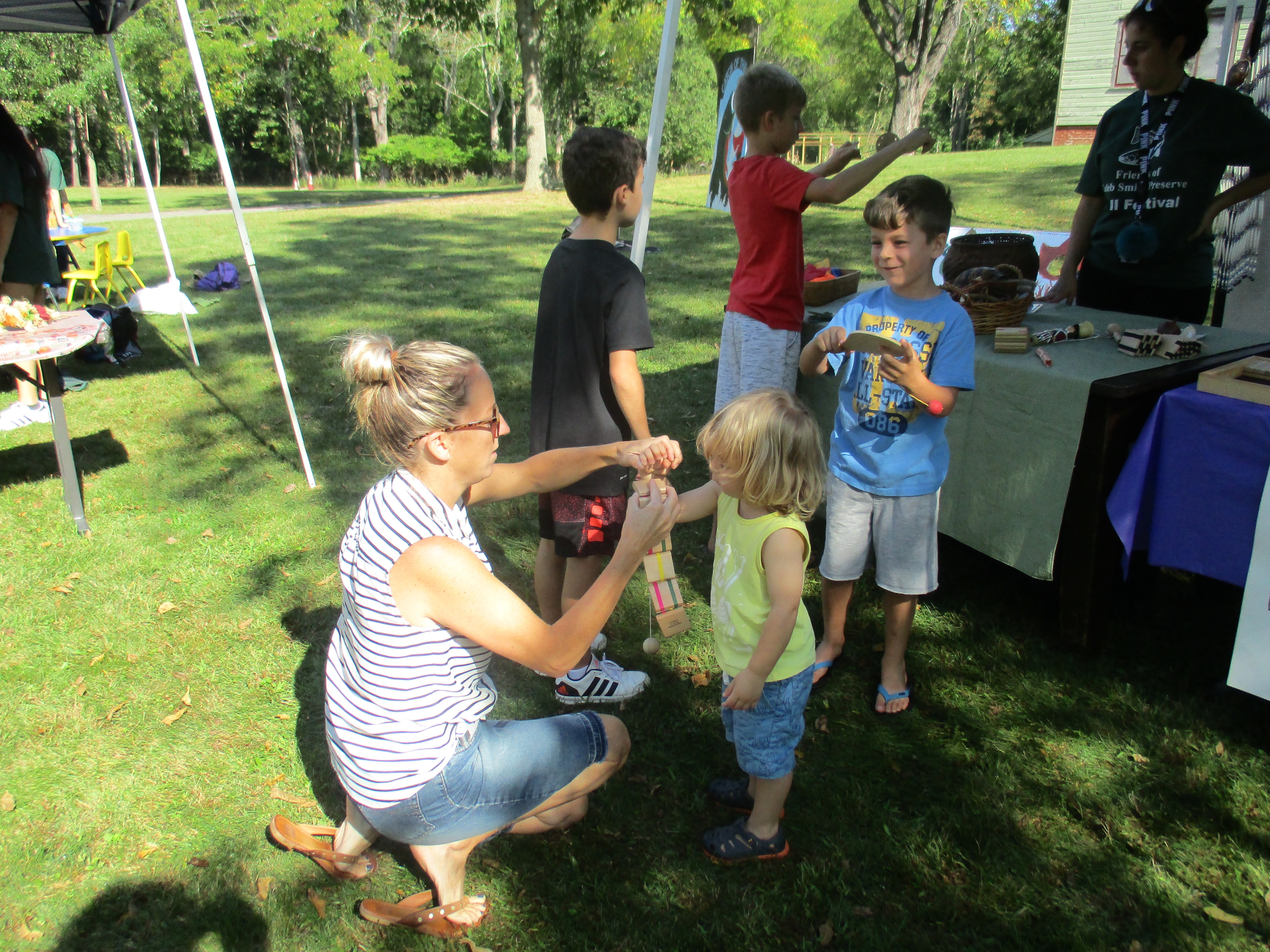
Children fished on the peninsula at Willow Pond, played Colonial and Native American games, made dreamcatchers and painted free pumpkins at the Crafts table and enjoyed nature events with popular naturalists Eric Powers and Jan Porinchak. Antique cars, Three Bees Aviary and other exhibits were on hand. Musicians, including singer/pianist/songwriter Mike Tedesco, played on the back lawn as festival attendees listened, and enjoyed lunch at tables under tents.
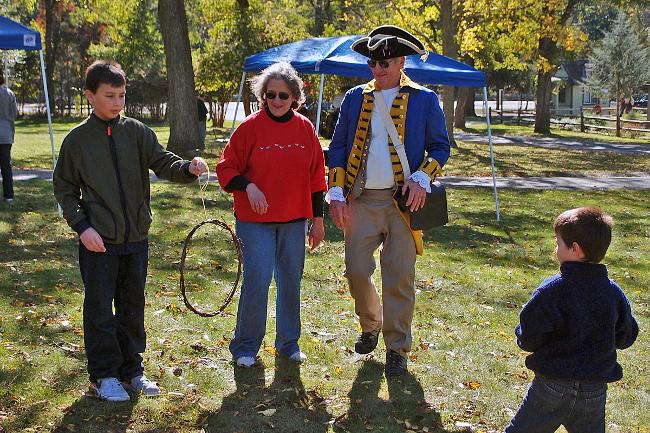
Peter Paquette, as George Washington, spent the day walking the area, speaking with children about the history of the park, and the Revolutionary War. At one point, a child was heard to say: “Mommy, I just met the president!!!”
Click on thumbnails below to view photos:
1. Alma Wegener, and her mom Lauri Christiansen Wegener, of Kings Park meet George Washington, who by afternoon had shed his prominent blue and gold jacket due to the heat.
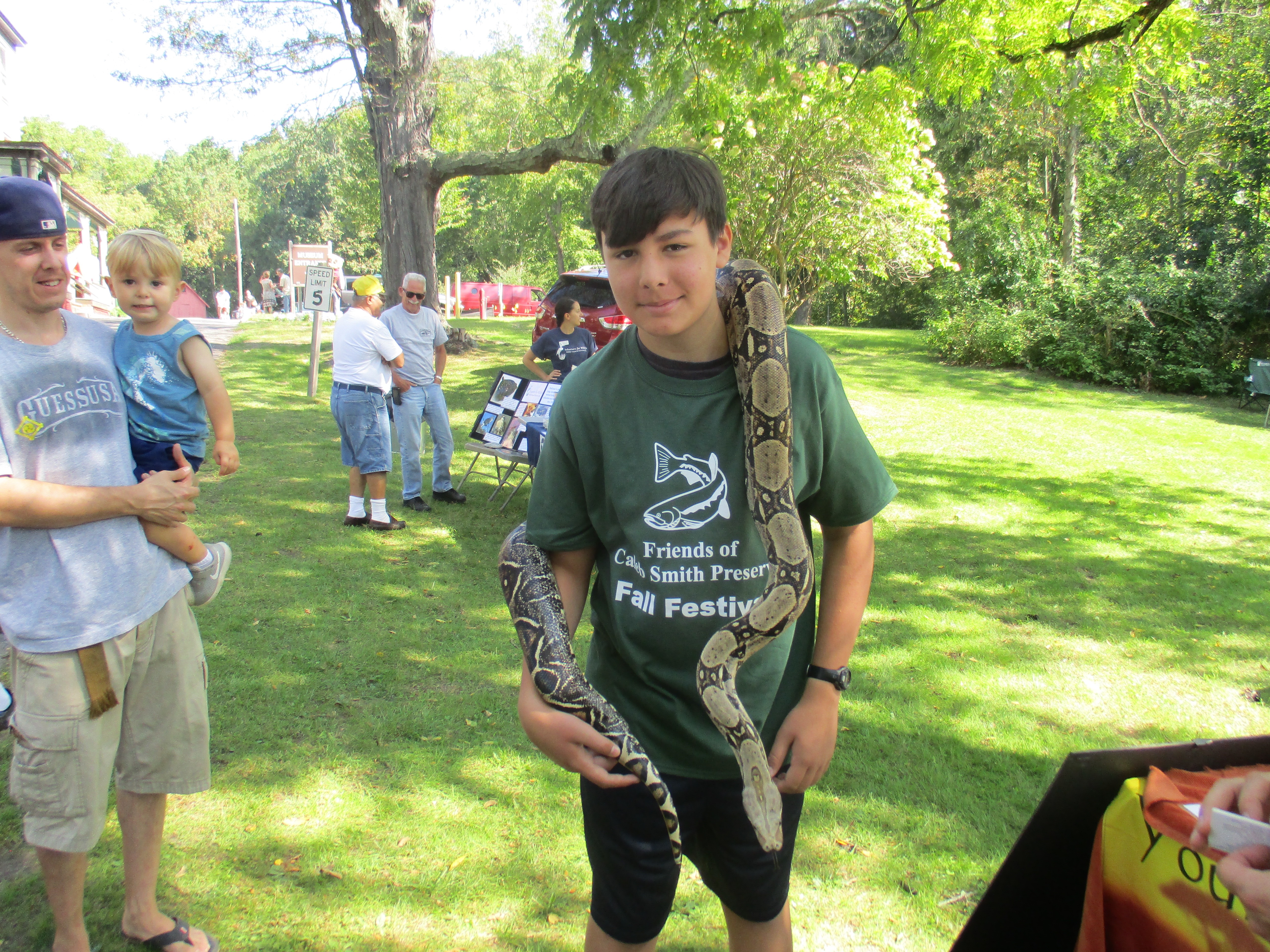
2. Jared Tetrault of Smithtown makes friends with naturalist Eric Powers’ boa constrictor.
3. Bean Bag Game is always a favorite.
4. A family enjoys the craft table.
2017 Junior Anglers Fishing Tournament
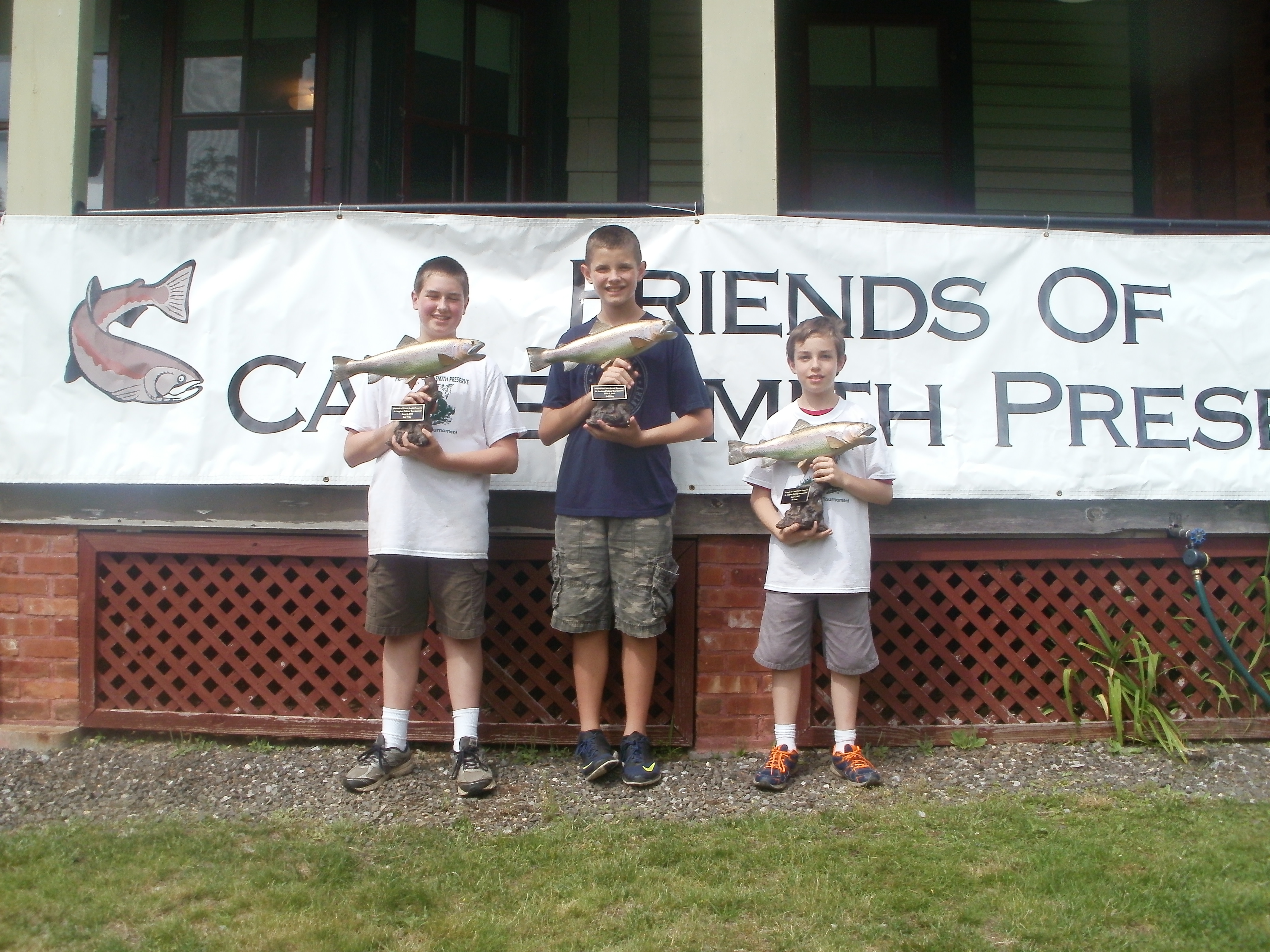
Winners from the morning group, above, display their trophies. From left, Mia McGivney, Angelina Saeiocca, Tommy Lozada
The fish in Willow Pond were biting at Caleb Smith State Park Preserve in Smithtown June 10 and as a result the Friends of Caleb Smith Preserve’s catch-and-release 15th annual Junior Fishing Tournament hit a record with a total of 259 fish caught by 30 anglers, ranging in age from five through twelve. All anglers caught at least three fish per person.
Winners of the morning session for those ages five to eight: Angelina Saeiocca, 5, from Bay Shore, won first prize for the most fish caught: 10; Thomas Lozada, 6, Massapequa Park, caught the largest pan fish, a 9-3/4-inch sunfish; Mia McGivney, 8, Rockville Center, caught the largest “other” fish, a 13-inch bass.
Winners in the afternoon session, for anglers ages nine through 12 were: Erik Trovitch, 12, from Smithtown, first prize for catching the most fish: 53; Matthew Cira, 9, Smithtown, caught the largest pan fish: a 10-inch sunfish; and Christopher Bellinger, 12, Smithtown, caught the largest “other” fish: a 14-1/2-inch bass.
For Eric Trovitch, who won first prize last year as well for catching 17 fish, the day began with immediate good fortune.
“He caught a total of 53 fish, and that’s the truth! He threw in his line and caught a fish within a minute!” said Carol Tokosh, whose husband Tom was chairman of the tournament.
There were 19 anglers in the morning session who caught a total of 116 fish, and 11 in the afternoon session who caught a total of 143 fish. All participants received a free tee shirt and goodie bags.
The Fisherman Magazine provided worms, bobbers, hooks and two rods for prizes.
From left, Christopher Bellinger, Matthew Cira and Eric Trovitch celebrate a successful day of fishing during the afternoon session.
Photos from past Events of the Friends of Caleb Smith Preserve
The Friends of Caleb Smith Preserve are
dedicated to preserving the natural environment,
historical structures and collections
of one of the last great places on Long Island